
【Photo Diary】Visit to Belgrade, Serbia
I would like to share with you some of the photographs taken during my visit to the Serbian capital of Belgrade from February 1 to 3 in the course of my 17-day tour of Europe and Africa as chairman of The Nippon Foundation and WHO Goodwill Ambassador for Leprosy Elimination.
During the visit, I talked with Serbian President Aleksandar Vučić, Prime Minister Ana Brnabić and other government leaders about the foundation’s activities in the Balkan republic and bilateral cooperation between Japan and Serbia in the economic, cultural and other fields.
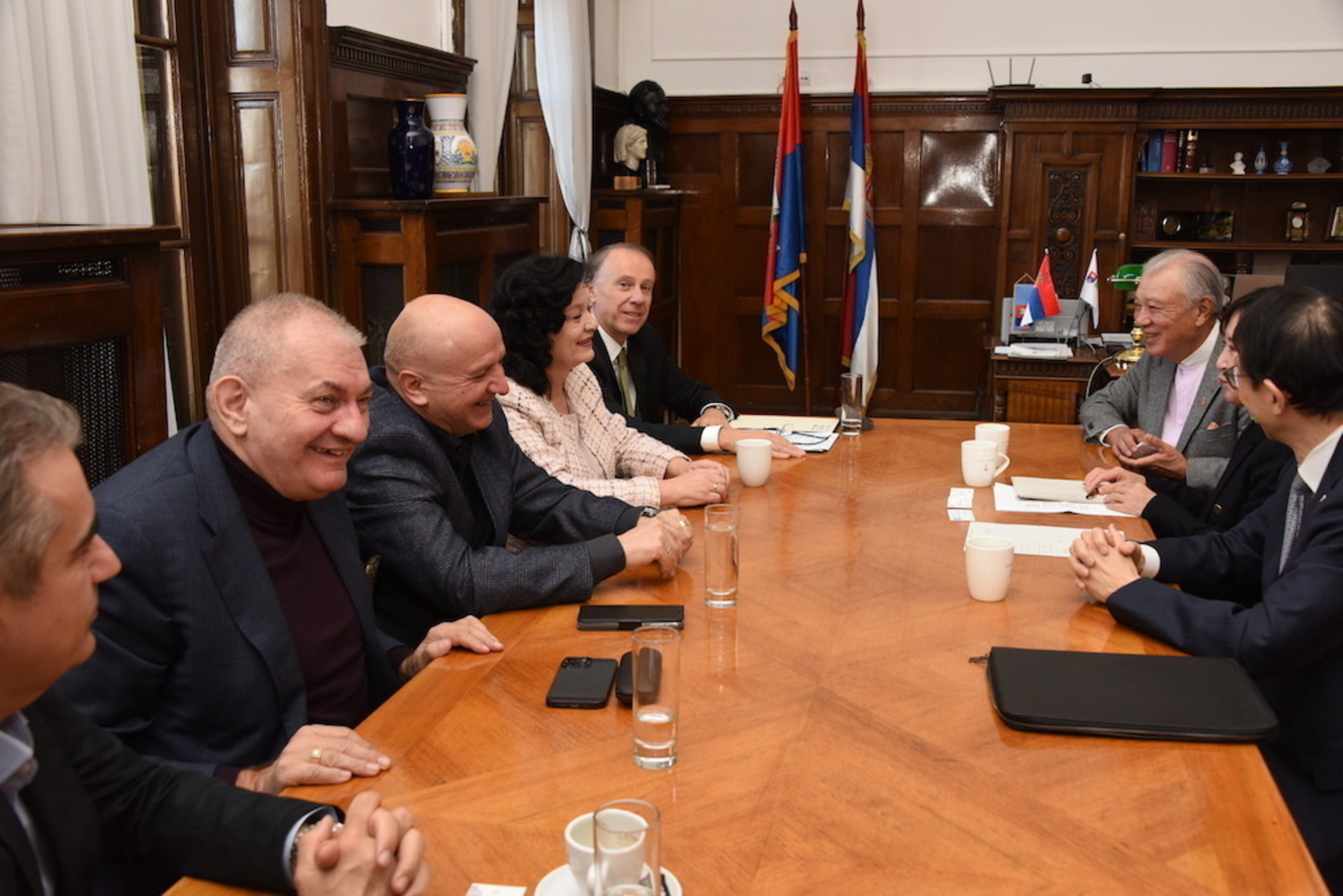
I also me with Dr. Vladan Djokić, rector of the University of Belgrade, to discuss the foundation’s 35 years of support for postgraduate students under the Ryoichi Sasakawa Young Leaders Fellowship Fund (Sylff).
[February 1, Belgrade]


[February 2, Belgrade]

The rector expressed his gratitude for the foundation’s support under the Sylff program established in 1988 when Serbia was still part of then Yugoslavia. Many talented students received scholarships under the fund, enabling them to pursue further education at Japanese and other universities abroad, he said. Some of those Sylff fellows included prominent public figures in Serbian political and economic circles, among them a former foreign minister and central bank chief.
Noting that the foundation started assisting the university when former Yugoslavia was going through a period of intense political and economic crisis, I thanked Doctor Djokić and faculty members for their tireless efforts in managing the fellowship program for more than 35 years. I also expressed my gratitude to the rector for coming to Japan last year to confer upon me an honorary doctorate degree from the university.


When I asked him if he had any message to relay to Japanese Prime Minister Fumio Kishida, the president said he hoped the Japanese leader would encourage his government agencies and chambers of commerce to work for more investment by Japanese companies in Serbia.
I stated that given the economic slowdown in China, an increasing number of Japanese companies are diversifying their overseas operations by moving into Southeast Asian countries and other parts of the world. This would open the way for them to invest more in Serbia, I added. The president said he would work to improve the business climate to encourage more Japanese firms to invest in Serbia.


At the meeting, Ms. Brnabic “noted that investing in development of education, biotech, artificial intelligence and its applications in the health care, energy and other areas but, above all, in encouraging young people to get education in those fields to become the driving force of an innovation- and knowledge-based economy, would remain Serbia's priority in the future,” Tanjug news agency reported quoting a statement issued by the prime minister’s office.
“She was proud some of Japan's most renowned companies had recognized the comparative advantages of doing business in Serbia, and noted that Japanese companies and investors were welcome in Serbia,” she said.
Noting that The Nippon Foundation established the Sylff fellowship program at the University of Belgrade in 1988 when Serbia was part of then Yugoslavia, I said I was happy that the program had been run successfully for 35 years thanks to the university’s cooperation.
Underlining the importance of deepening relations between the two countries, I stated that the foundation had provided 13 universities and institutions in Serbia each with 200 English books on Japan. “We are ready to expand cooperation in other areas as well,” I added.


[February 3, Belgrade]
