
Almost 90% of Japanese Youths View Politics as Not Clean, 80% Don’t See Politicians Taking Accountability in Fundraising Scandal: Poll

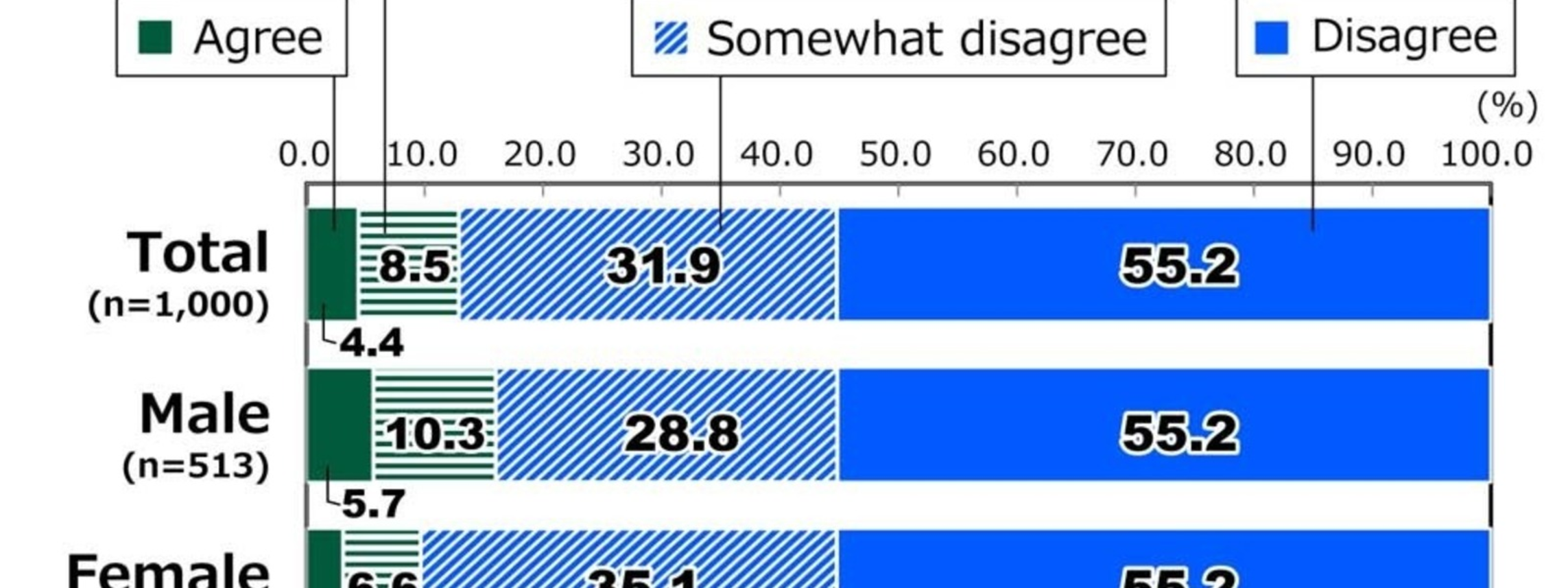
Japanese Prime Minister Fumio Kishida has struggled to restore trust in politics tarnished by the biggest fundraising scandal to engulf his ruling Liberal Democratic Party (LDP) in decades. The approval rating of his Cabinet has plummeted to around 20%, the lowest since he took office in October 2021. The scandal over the alleged underreporting and misallocation of funds from fundraising parties by LDP factions led to the disbandment of Kishida’s and other ruling party factions, the resignation of several key Cabinet ministers and party officials, and the indictment of 10 people-three LDP lawmakers and their aides. Against this background, The Nippon Foundation conducted an online survey on “Politics and Money” on April 12-14, covering 1,000 men and women aged between 17 and 19 across the country. Asked whether they were aware of the slush fund scandal, two in five of the respondents (42.1%) said they had heard of the scandal but did not know the details, while less than a third (30.7%) were familiar with the details. One in five (19.4%) were not aware of the scandal and 7.8% did not respond. Queried whether they think politicians are accountable to the public for the money they raise, more than fourth-fifths (81.4%) answered no. A similar percentage (82.5%) said that politicians are not accountable for how they spend the funds they raise. Of those who were familiar with the details of the scandal, 73.9% thought the lawmakers involved are not taking accountability. Regarding the prime minister’s responses to questions during Diet (Parliament) sessions, only 15.0% said they can be trusted but well over half (60.7%) said they could not. As for statements made in media interviews by lawmakers involved in the scandal, less than one in ten respondents (9.2%) said they can be trusted, while 69.0% said they could not. The poll also found that more than 70% (71.4%) believe that lawmakers enjoy privileges and special treatment. With regard to the current state of politics in Japan, almost 80% (79.9%) said that politics do not reflect the will of the people, while three in four (75.3%) do not believe politicians were making necessary decisions in a timely manner. Asked whether politics are clean (as in free from wrongdoing and transparent), almost nine in ten (87.1%) answered no. Queried whether they would vote in the future, almost two thirds (64.0%) answered yes and 13.3% no, with 22.7% saying either they didn’t know or did not want to answer. Of those who said yes, almost one fourth (23.1%) said they did so because they wanted to express their disapproval of the party or candidate involved in the slush fund scandal. By gender, one in four males (26.7%) and one in five females (19.2%) responded this way. On the other hand, almost half of the total (49.7%) said they would vote regardless of the fundraising scandal. Of those who said they did not intend to vote, 17.3% said it was because a party or candidate they supported was involved in the scandal and there was no other party or candidate they wished to vote for, while 27.8% said it was because the scandal made them distrustful of or lose interest in politics. One third (33.1%) said they had no intention of voting at all, regardless of the scandal. Other reasons given for not voting included: “None of the parties are good,” “I don’t care what happens in this society,” and “I don’t want to be bothered,” revealing that they did not want to actively express their opinions through voting. When asked to choose which of the following two statements was closer to how they felt-Japanese youths are increasingly disengaging from politics/Politics are disengaging from young people-more than half (54.2%) chose the former and the remaining 45.8% the latter. I find the results of the survey are striking as they seem to indicate that young people are turning their back on politics, while at the same time taking a dim view of the current state of politics, which do not reflect the will of young people.


|