Yanmar Succeeds in Onshore Verification Test of Hydrogen-Fueled Marine Engine Under The Nippon Foundation’s Project
Published on December 11, 2024
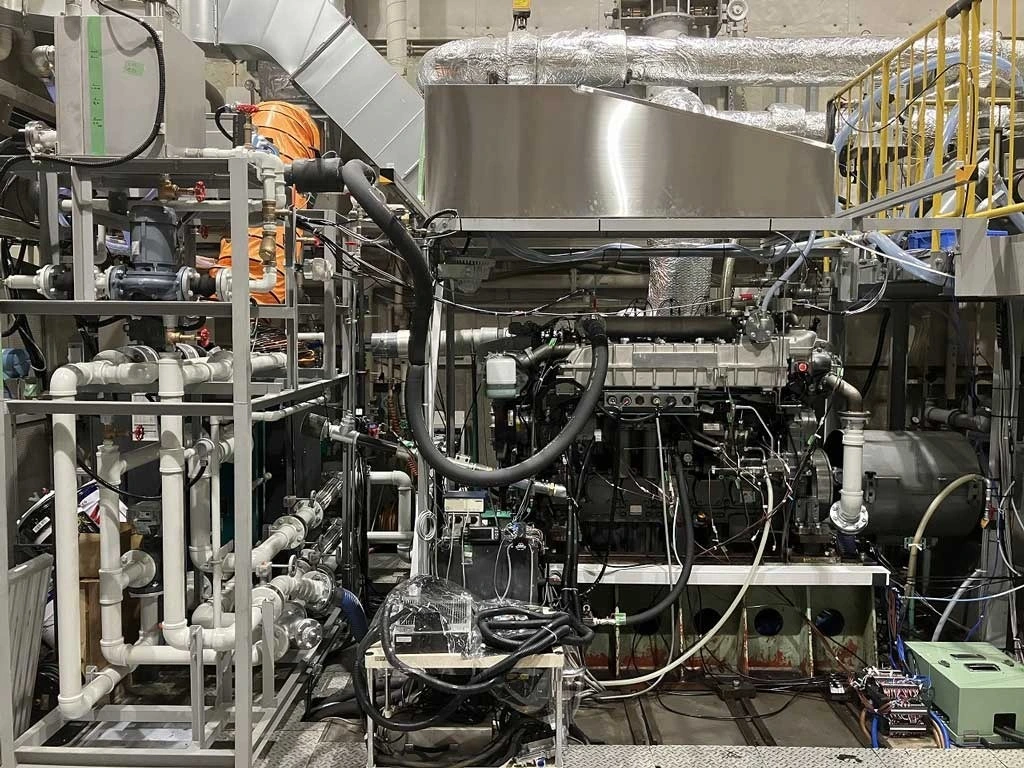
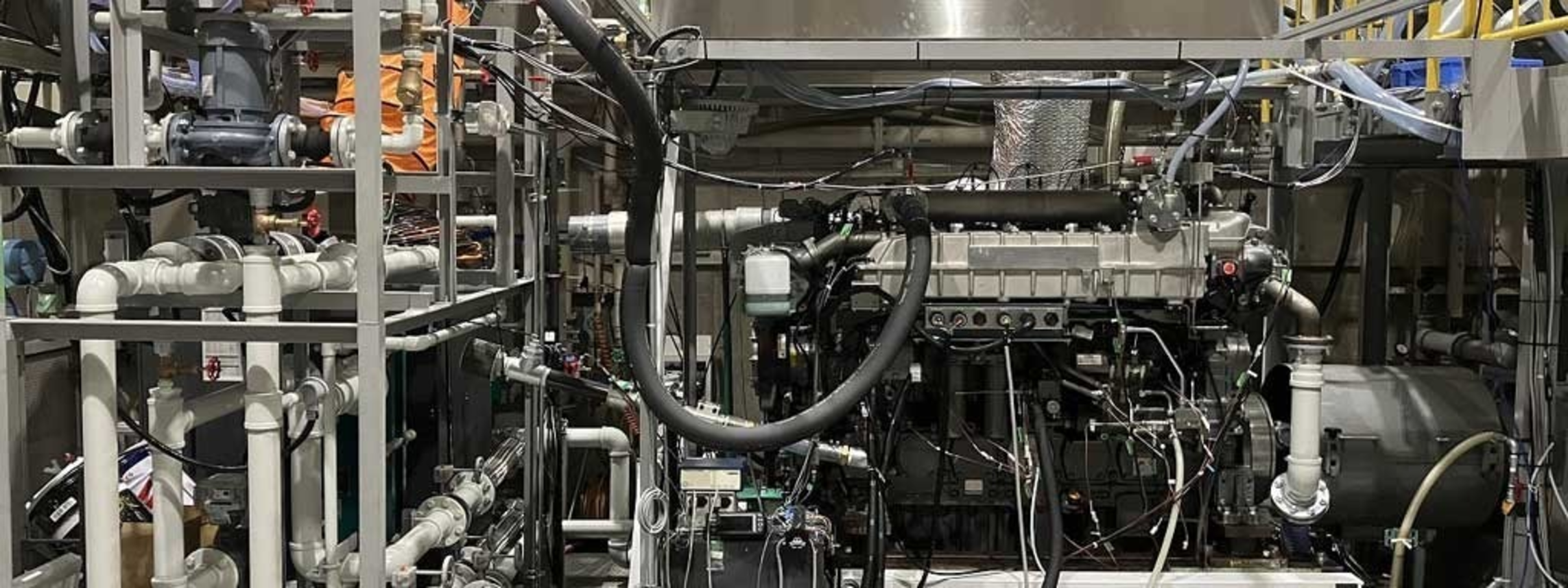
Yanmar Power Technology (YPT) has successfully conducted an onshore verification test of a pilot ignition hydrogen-fueled 4-stroke high-speed engine for power generation on coastal vessels in Japan by achieving a targeted output of approximately 500 kilowatts.
The 6-cylinder ignition engine utilizes a limited portion of pilot diesel oil with hydrogen co-combustion. The power output was one of the largest for this type of hydrogen-fueled engine in the world.
YPT, a subsidiary of Yanmar Holdings based in Osaka, western Japan, also plans to carry out onshore verification tests of a hydrogen-powered pilot engine utilizing a small amount of pilot biofuel as well as a spark ignition hydrogen-only engine with the goal of conducting on-water verification operations in 2026.
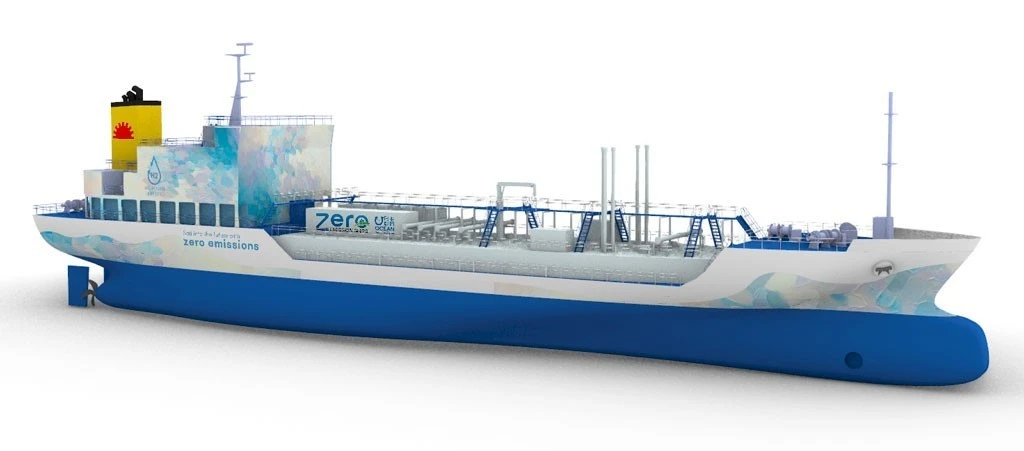
The tests are an integral part of the Zero Emission Ship Project that The Nippon Foundation launched in January 2022 with the aim of prioritizing the development of hydrogen-fueled ships as the driving force for Japan’s efforts to achieve carbon neutrality in its coastal shipping sector by 2050.
Under the project, YPT leads a consortium of seven Japanese companies and institutions which also includes Uyeno TransTech Co., Kyoto University, Fukuoka Shipbuilding Co. (responsible for detailed vessel design and construction), Mitsui E&S Shipbuilding Co. (basic vessel planning and design), Mirai Shipbuilding Co. (design and manufacture of hydrogen engine containers), and the National Institute of Maritime, Port and Aviation Technology (technical development of a spark ignition hydrogen-only engine).
The company is also collaborating on the creation of a hybrid electric propulsion vessel compatible with hydrogen engines, integrating hydrogen engine generators with batteries. The vessel design integrates a container unit-type hydrogen power generation system on its upper deck.
Under the Zero Emission Ship Project, there are two other groups of Japanese companies aiming to develop ships with hydrogen-only combustion engines by the end of fiscal 2026 (March 2027).
From March to April this year, a consortium of five Japanese companies, led by MOTENA-Sea, Ltd. under the aegis of Mitsui O.S.K. Lines, Ltd., has successfully conducted a demonstration test of a hydrogen fuel cell passenger ship that emits no carbon dioxide (CO2) during combustion. Its hybrid engine was developed and supplied by YPT.
A group consisting of JPNH2YDRO, a joint Japanese-Belgian company, and 11 other firms plans to develop and demonstrate two zero-emission ships fueled solely by hydrogen as well as floating hydrogen fuel loading systems by the end of fiscal 2026.
Seen as the ultimate green fuel, hydrogen only emits water during combustion and is projected to account for an estimated 55% of all alternative fuels used to power inland ships in Japan in 2050.
Given Japan’s advanced technological capabilities, I sincerely hope that the three consortia and other Japanese stakeholders will spearhead the global campaign to achieve carbon neutrality of the world’s maritime industry to fight climate change. To that end, the foundation is determined to support the nation’s fledgling fleet of zero emission ships for decades to come.