
New Report Focuses Attention on Growing Threat Posed by Marine Chemical Pollution
Back to Blue, an initiative of The Nippon Foundation and Economist Impact, part of the London-based world-renowned multinational media company The Economist Group, has released a new report, “The Invisible Wave: Getting to zero chemical pollution in the ocean.”
The report was issued on the occasion of the 9th annual World Ocean Summit organized by Economist Impact from March 1 to 4. It was intended to raise awareness of marine chemical pollution, the scale and potential impact of which are not widely appreciated, and to focus minds on delivering solutions to achieve a zero-pollution ocean.
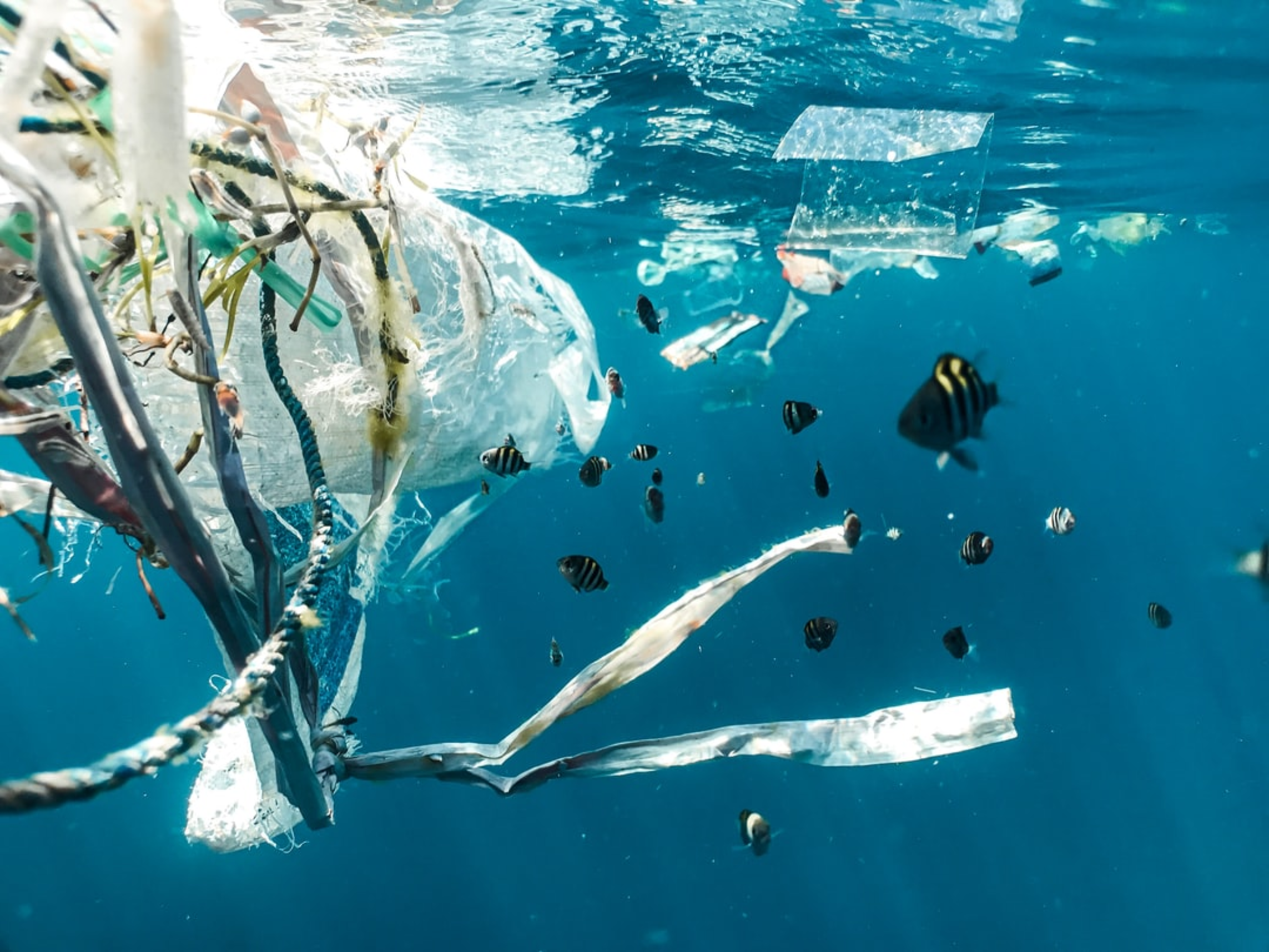
“Marine pollution has deservedly gained greater attention in recent years, most notably through the vexing-and highly visible-issue of plastics. Chemical pollution, by contrast, is often unseen-though it is no less important or urgent,” the report said.
Synthetic chemicals in the form of nutrients, heavy metals, persistent organic pollutants, pesticides, sewage, plastics and microplastics, and those used in the vast majority of household and consumer products flush into the ocean through freshwater systems and runoff, through atmospheric deposition, as well as from ships and extractive industries at sea.
Worryingly, the study concluded, “the world has already crossed the planetary boundary where chemicals threaten the very ecosystems-including the marine environment-upon which humans and most other species depend.”
“Since humans are producing far more chemicals in ever-greater volumes, the impact on the marine environment will only become more severe,” the report said.
Tackling the problem of chemical pollution requires the coordinated action of everyone in the chemicals value chain-from the chemicals industry itself to governments, regulators, investors and financiers, as well as civil society and consumers. “Failure to address marine chemical pollution in a systematic manner risks inflicting irreparable harm on the ocean,” the report warned.
I believe that this is the first-ever comprehensive report that sheds light on the serious impacts of chemical pollution on our ocean, and as a result, on human wellbeing.
Asked about my expectations on the findings of the report by Mr. Charles Goddard, editorial director at Economist Impact, in the World Ocean Summit Fireside Chat, I quoted from the survey and noted that there are at least 350,000 synthetic chemicals and thousands more being added each year.
“The impact on human health and environment is hardly known. If other chemicals are used, there is still a possibility that those could be harmful too,” I said, adding that much more research is needed to determine the damage that many chemicals inflict on the marine environment.
It is my hope that the findings will help drive international dialogue to address this issue and help the global community to realize that without drastic steps to ensure a healthy ocean environment, there is no guarantee for the sustainability of humankind.
The video and text of the World Ocean Summit Fireside Chat with Mr. Charles Goddard, editorial director at Economist Impact, can be seen here: