
“Humanitarian Ceasefire” Between Myanmar Military and Ethnic Armed Organization Well Observed in Rakhine State

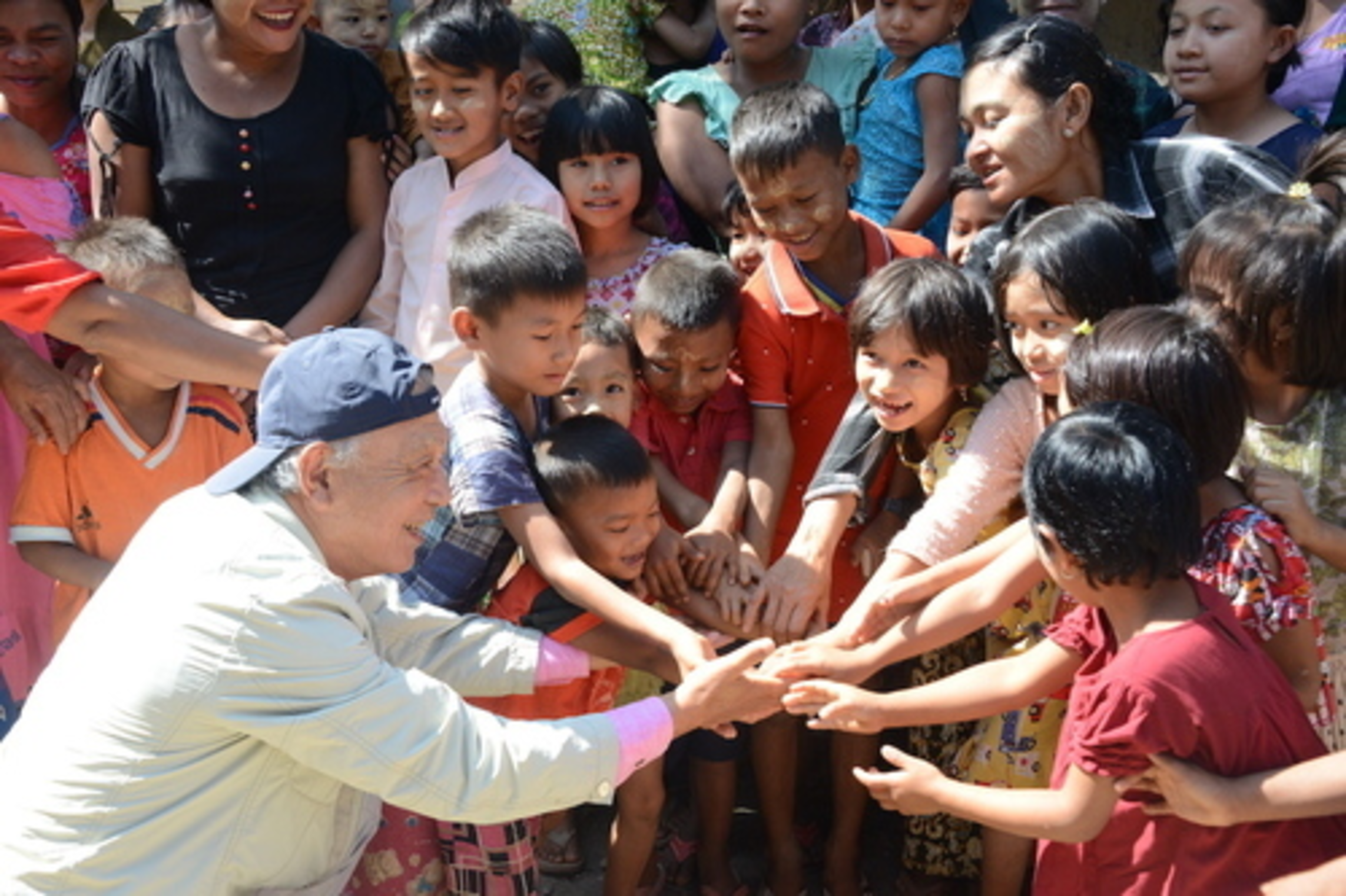
I visited the western Myanmar state of Rakhine early in February in my capacity as Special Envoy of the Government of Japan for National Reconciliation in Myanmar and chairman of The Nippon Foundation. The aim was to see firsthand whether the ceasefire on humanitarian grounds between the military and the Arakan Army (AA), an ethnic armed organization (EAO) based in the state, is observed as agreed upon between them. I brokered the ceasefire in November 2022 when I talked with senior leaders of both sides, ending months of intense fighting between them. The agreement is called a “humanitarian ceasefire” as it provides that it will remain in effect as long as The Nippon Foundation and international aid organizations provide people in the state with humanitarian assistance, such as food, medicine and daily necessities as well as in the form of building schools, clinics and infrastructure. After flying from Yangon to the state capital of Sittwe early on the morning of February 4, I took a helicopter to the township of Mrauk-U. From there, I visited four nearby camps where internally displaced persons (IDPs) are sheltering in Tein Nyo, Kyaukrizkay, Myo Oo Gaung and Myio Tei and personally donated one blanket per IDP to help them beat the cold weather this season in some parts of the Southeast Asian country. After coming back to Sittwe, I went to an IDP camp in a township of Basara. While in Rakhine State, I talked with a number of IDPs as well as some political and social leaders. After coming back to Yangon, I had a breakfast meeting with some stakeholders and an online session with AA leaders. Before returning to Japan, I made an overnight stay in Bangkok where I spent a whole day being interviewed by 11 Japanese and international media outlets about my visit to Rakhine State. In the interviews, I stated that things are going unexpectedly well under the ceasefire agreement, noting that virtually no incidents have been reported between the two parties to the agreement since they agreed to the ceasefire accord. I have been informed that the military and the AA have established a system to closely share information and that many problems have been solved through talks. The foundation plans to provide IDPs in the state with a total of 23,000 blankets by the end of March. It is also committed to building schools, clinics and housing for returnees to resettle and has already called on the military and the AA to discuss when and where such facilities should be built. I said in the media interviews that we would like to use the ceasefire process in Rakhine State as a model for other conflict areas in Myanmar where the military and EAOs are still fighting each other. On February 1, the military regime announced the extension of the state of emergency, effectively pushing back elections it pledged to hold by August this year. “If this continues, it could prolong the military rule, so elections should be held no matter what,” I said. I would also like the Association of Southeast Asian Nations (ASEAN) to establish working-level contacts with Myanmar’s military regime, suggesting it set up an office in Myanmar as the first step. "Criticizing from afar will not solve the problems," I said, expressing my hope that current ASEAN chair Indonesia will take the lead in addressing the impasse. 


|