
Only 20% of Japanese Youths Pin High Hopes on Politics: The Nippon Foundation Poll

From January 27 to February 1, The Nippon Foundation conducted a nationwide online survey on the subject of “The National Diet (Parliament) and Politicians,” covering 1,000 Japanese aged between 17 and 19 to look into young people’s interest in politics and their impressions and opinions of the Diet and its members.
I was shocked by the findings of the poll, which showed how negatively Japanese youths view the Diet and national lawmakers.
In October 2018, the foundation launched a series of awareness surveys, usually targeting 17- to 19-year-olds in Japan, following the lowering of the voting age from 20 to 18. The surveys are designed to track this cohort’s attitudes and awareness of politics, society, work, family, friends and other issues.
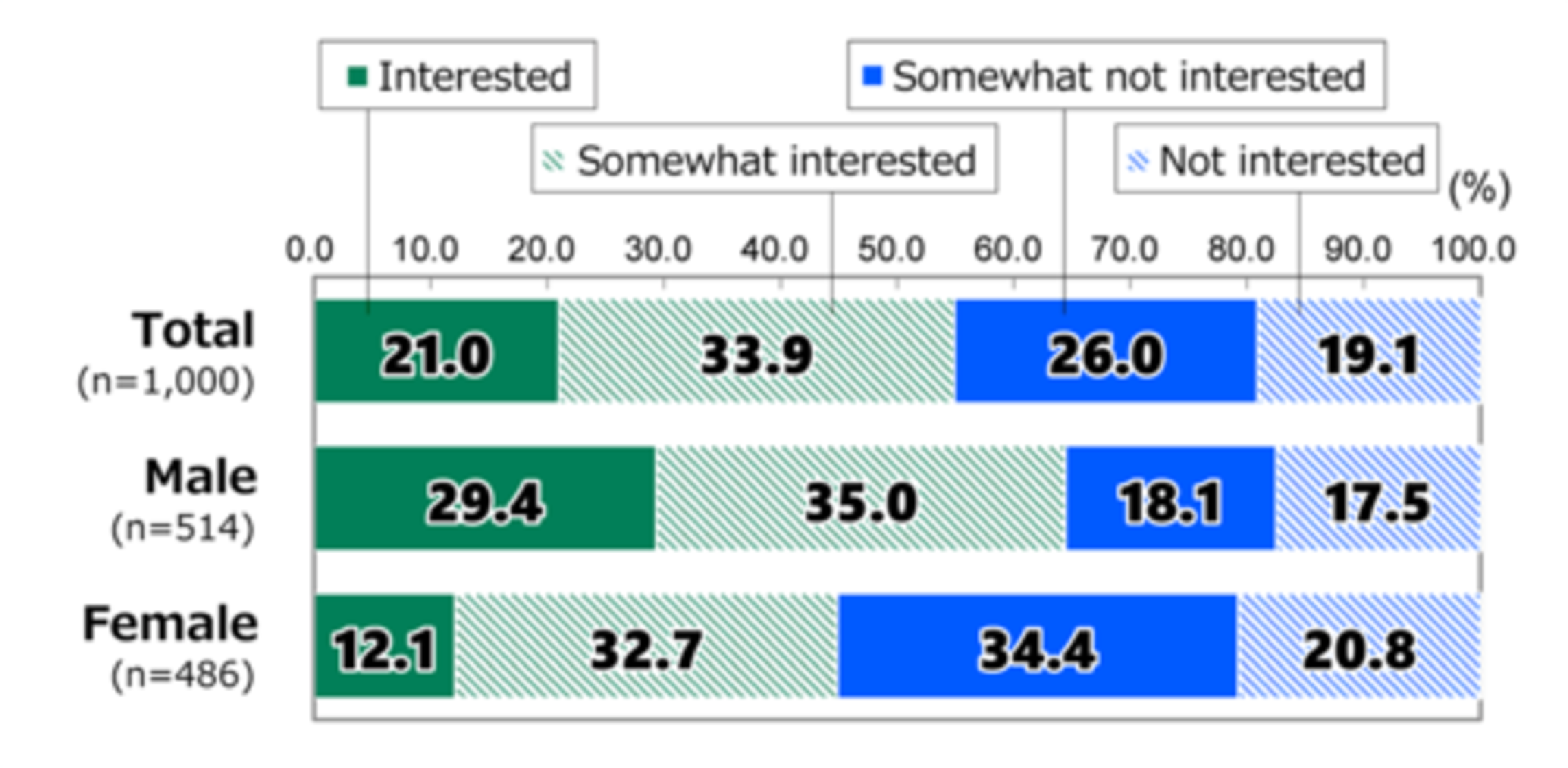
The latest survey, the 54th, found that more than half (54.9%) of respondents were interested in politics for reasons such as “politics will be relevant to my life now or in the future.” By gender, many more males (64.4%) showed an interest in politics than females (44.8%).
However, when asked if they had high hopes for the nation’s politics, only one in five respondents (20.0%) answered in the affirmative and the rest (80.0%) said they did not.
This was thought to be due to negative impressions of politics, with a large majority saying that politics are not clean and lack integrity and transparency (81.3%), do not reflect the will of the people (75.5%), and fail to respond effectively to unforeseen events (69.6%).
As a result, less than one in five (19.3%) believe the Diet is a place for meaningful policymaking, while 52.3% disagree and 28.4% say they don’t know.
When asked what would make the Diet function more effectively, the election of younger Diet members topped the list at 35.5%, followed by the use of things like the internet to allow citizens to express their will (28.5%), an increase in voter turnout (26.9%), the election of female Diet members (24.7%) and political activities to enable citizens to express their views (20.9%).
On March 15, after the poll was taken, Japan’s House of Councillors voted to expel YouTuber-turned-politician Mr. Yoshikazu Higashitani, who goes by the name of GaaSyy, for not attending a single session of parliament since his election in July 2022. He became the first member of the national legislature to be expelled since 1951 and the first to be reprimanded for being absent.
He has been living in the United Arab Emirates since before the election and claims he could be arrested if he returns to Japan, where he reportedly faces police questioning over alleged defamation on his YouTube channel.
I am concerned that GaaSyy’s expulsion could further deepen Japanese young people’s distrust of politics.
Frankly, there is a wide discrepancy between what is discussed in parliamentary debates, as I see them on television, and young people’s values, which makes them less and less interest in politics.
I strongly hope that Diet members, as representatives of the whole nation, will try to explain things to young people in a clearer and more convincing manner, and deepen their understanding of politics and national policies.

