
Only 15% of Japanese Youths Aware of Nationwide Local Elections in April: The Nippon Foundation Poll

(Covering only respondents aged 18-19 who are residents of prefectures or municipalities where elections are scheduled)
Ahead of the quadrennial nationwide local elections in Japan in April, The Nippon Foundation conducted a nationwide online survey on young Japanese people’s awareness of “Local Legislative Assemblies” from February 22 to 27.
The first round of polls, scheduled for April 9, includes gubernatorial elections in nine prefectures, mayoral elections in six major cities, and local assembly elections in 41 prefectures and 17 major cities. The second round of polls, set for April 23, will elect mayors and assembly members in Tokyo's wards, as well as in smaller cities, towns and villages all over the nation.
The foundation’s survey found that of those living in prefectures and/or municipalities where elections are slated to be held, only 15.4% were aware of the elections, while two thirds (67.7%) were not. Meanwhile, 3.2% said there will be no elections where they reside and 13.7% said they don’t know.
Of those who answered that there will be an election in their area, a large majority (81.5%) said they would go to the polls, but this translates into only about 12% of the total respondents. Some 13.1% said they would not vote while 5.4% said they don’t know or have not decided yet.
The survey covered 1,000 people aged between 17 and 19 across the country, but the above questions targeted only those aged 18-19 living in prefectures and/or municipalities where elections are scheduled to be held in April.
When asked about the functions of a local legislative assembly (multiple answers accepted), respondents replied that it acts as a local decision-making body (32.2%), makes proposals to governors or mayors (28.8%), expresses opinions that reflect the consensus of residents (28.4%), and oversees executive bodies (20.2%). But nearly half of them (46.7%) said they didn’t know.
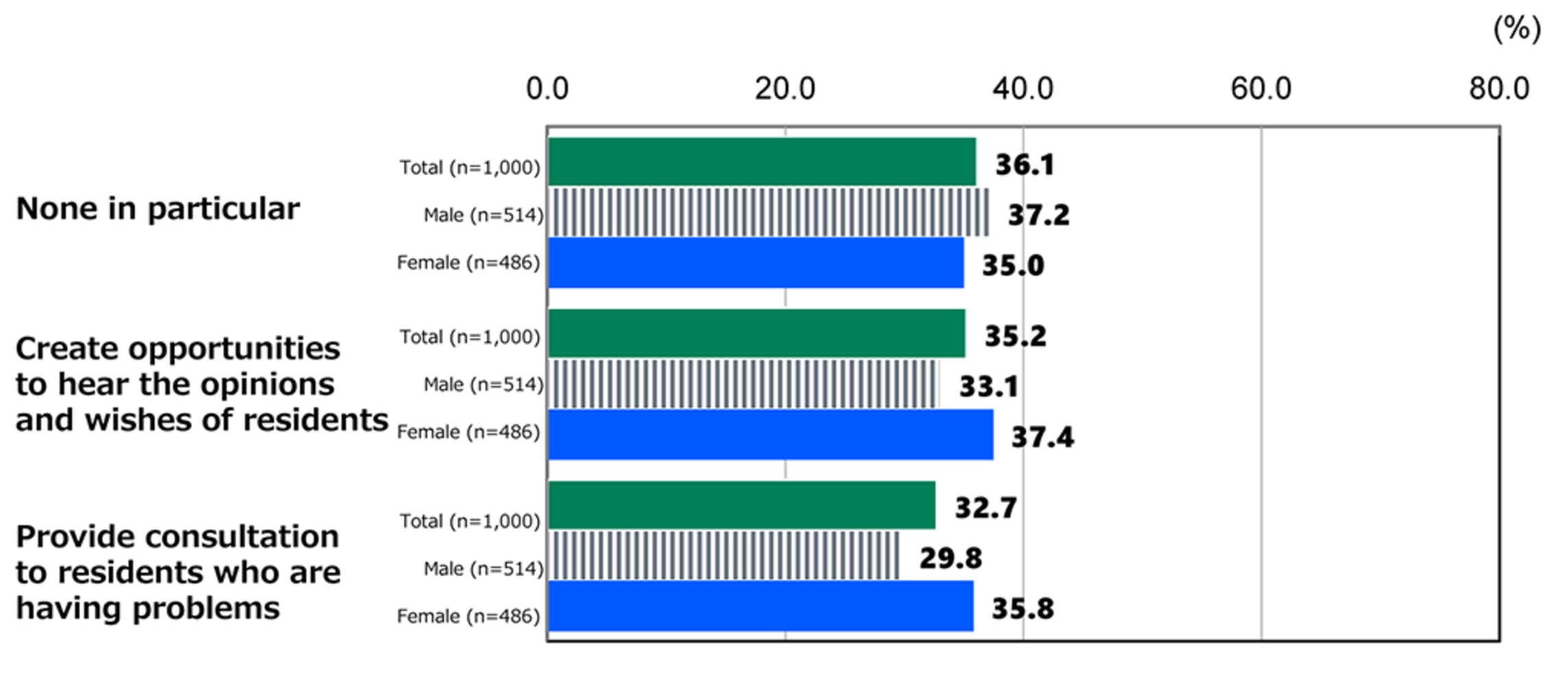
When asked what expectations they had of their local assembly, the most common answer was “none in particular” (36.1%), with many saying this was because they didn’t know what it did. This was followed by those who said they expected their assembly to create opportunities to hear the opinions and wishes of residents (35.2%) and provide advice to residents who have problems (32.7%).
As for what should be done to increase the number of people willing to serve in local assemblies, top of the list at 49.1% was “encourage young people to run for office”, followed by “encourage women to run” (37.2%), “allow local legislators to attend assembly sessions online” (22.7%), and “companies should make their vacation policies more flexible to make it easier for employees to run” (22.7%).
The results of the survey were as shocking as the foundation’s previous poll on “The National Diet (Parliament) and Politicians,” which I wrote about on this blog on March 31.
But as the results have been reported by various news outlets and internet news sites, I sincerely hope that they will serve as a warning to young Japanese and others to pay more attention to their local legislatures and to go to the polls on April 9 and 23 to elect their representatives.

