
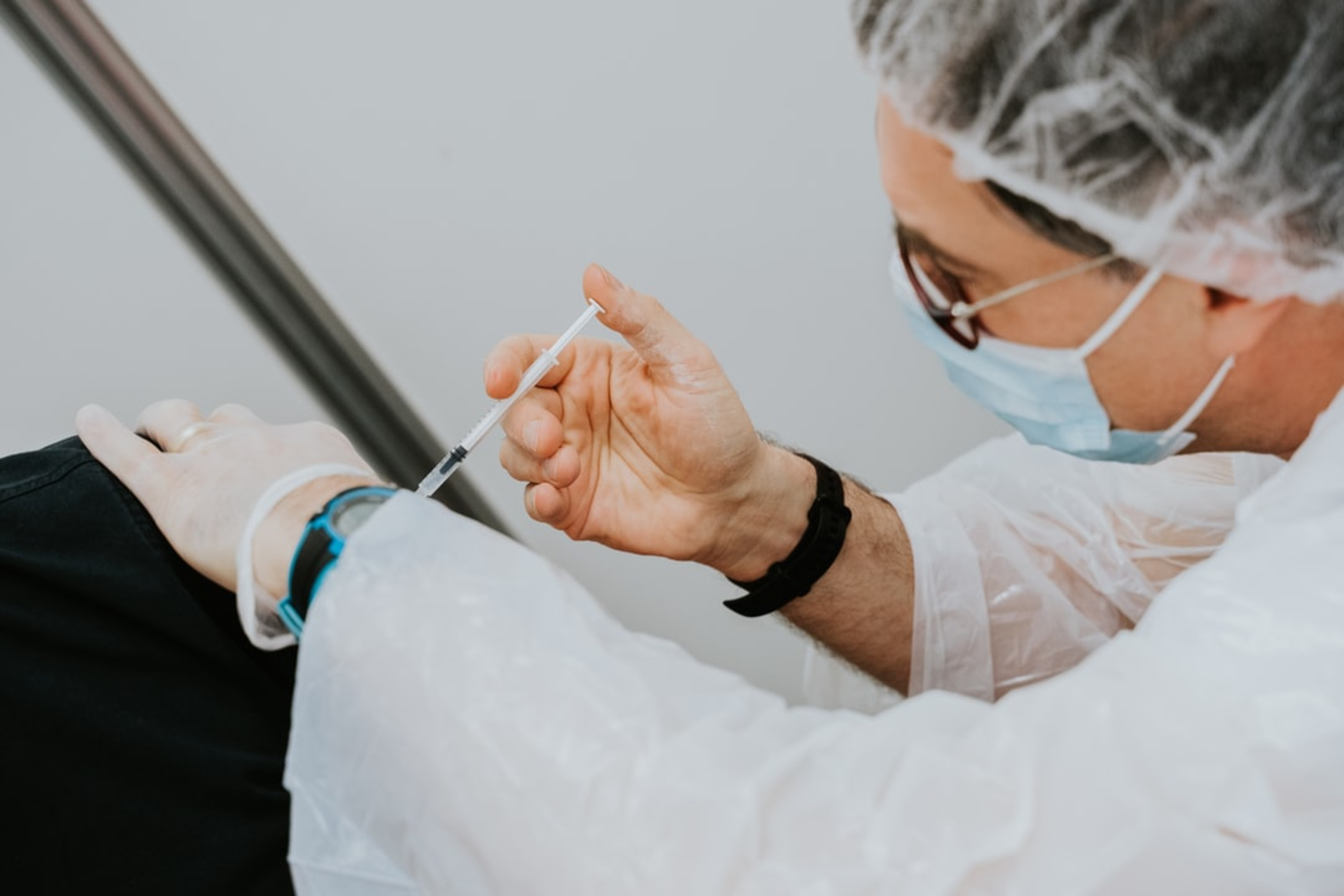
Majority of Japanese Youths in Favor of COVID-19 Vaccination with 22% Undecided (1)

In mid-July, The Nippon Foundation conducted an online survey to find out what young people thought of the getting vaccinated against the novel coronavirus. At the time, the contagious Delta variant was accelerating the spread of the virus, but some Japanese youths were said to be reluctant to get vaccinated in part because of false rumors about side effects.
To find out more, between July 16 and 20 we surveyed 1,000 Japanese across the country aged between 17 and 19 on the subject of “Coronavirus Vaccines.”
The poll found that about one in 10 of the respondents (9.1%) said they had already been vaccinated while almost a similar percentage (10.5%) had made an appointment to get a shot. But close to 40% (36.6%) who wanted to get vaccinated had been unable to make an appointment. In other words, more than half of young Japanese (56.2%) had been or were intending to get vaccinated at the time the survey was carried out.
On the contrary, one in five (22.5%) said they had not decided and almost the same percentage (21.3%) did not intend to get vaccinated.
When asked why they did not intend to get a shot (multiple answers accepted), three in 10 (32.2%) cited their concern about short-term or mild side effects and a similar portion (31.3%) were worried about long-term or serious side effects.
But some answered optimistically, including those who said that young people’s health is not significantly affected even if they become infected with the coronavirus (2.5%) and that Japan has had few infections so their likelihood of becoming infected is low (1.8%).
Respondents were also asked about a proposal by business organizations and others for introducing so-called vaccine passports requiring people to show proof-whether of double vaccination, a negative polymerase chain reaction (PCR) or antigen tests, or finishing self-isolation after being infected-in order to gain entry to restaurants, bars or other venues with large crowds, as well as public transportation. The scheme, also known as the health pass in France and green pass in Italy and Austria, are all designed to normalize economic and social activities while staving off spikes in COVID-19 infections.
The survey showed that almost half of young Japanese (43.6%) supported the idea and about one in five (18.2%) were against it with the rest (38.2%) saying they don’t know. Of those already inoculated or intending to be, more than half (57.1%) were in favor of the scheme. Those who do not intend to get a jab were equally divided with one in four (26.3%) both supporting and opposing the scheme with the rest (47.5%) saying they don’t know.
Specifically, over 40% of all the respondents (40.1%) said they favor vaccine passports if they lead to an exemption or relaxation of restrictions on visiting nursing homes and medical facilities (40.1%), on going to school or work (35.6%), and on domestic travel (35.0%)
(To be continued)
