
【Photo Diary】 (1) Visit to Nepal for National Leprosy Conference
Published on June 2, 2025
I would like to share with you some of the photographs taken during my visit to Nepal from May 7 to 9, 2025, in my capacity as chairman of The Nippon Foundation and WHO Goodwill Ambassador for Leprosy Elimination.
During my stay in the capit
al Kathmandu, I attended Nepal’s first national leprosy conference aimed at reinvigorating the country’s efforts against leprosy, also known as Hansen’s disease, and the stigma and discrimination associated with it.
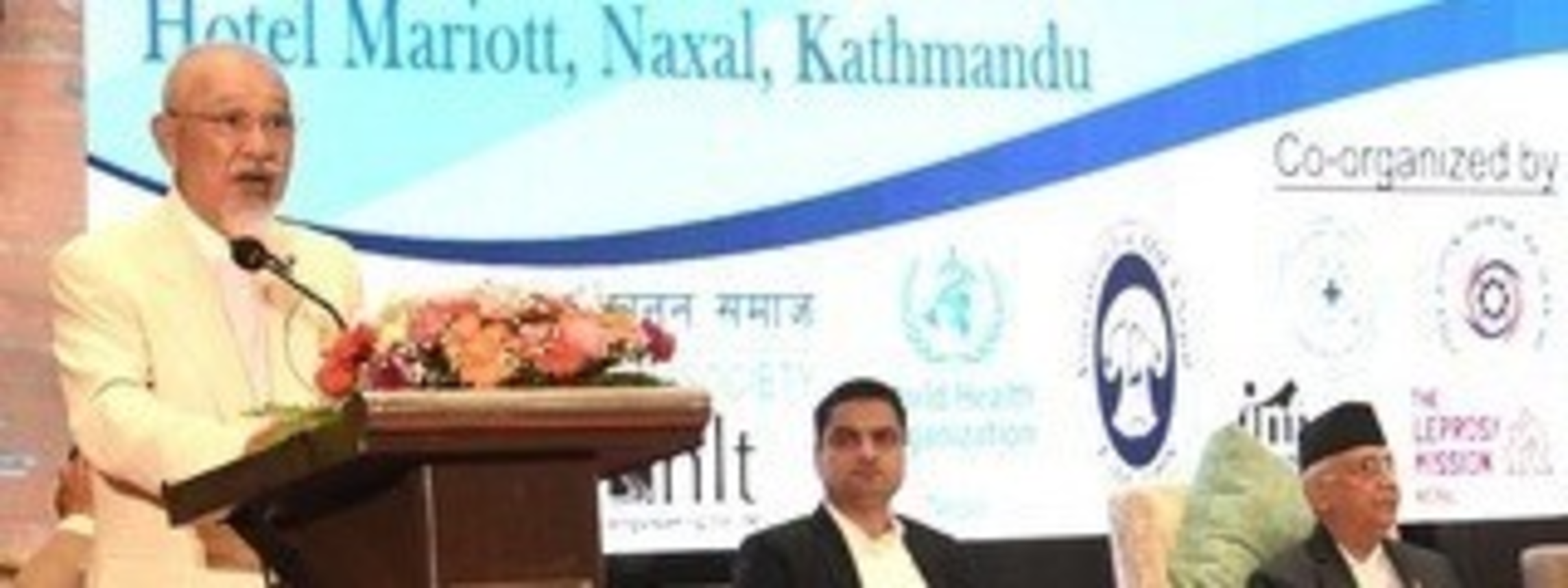
I was truly honored by Prime Minister K.P. Sharma Oli’s presence at the Nepal Leprosy Conference 2025, which was attended by over 200 people, including Health and Population Minister Pradip Paudel as well as other national and provincial officials, medical professionals, NGOs, and representatives of organizations of people affected by leprosy.
The Sasakawa Leprosy (Hansen’s disease) Initiative (SLI) co-sponsored the two-day meeting with WHO and the Nepal Law Association (NLA). SLI is a strategic alliance between the WHO Goodwill Ambassador for Leprosy Elimination, The Nippon Foundation and the Sasakawa Health Foundation for achieving a world without leprosy and problems related to the disease.
During a reception at the end of the first day, participants were treated to a performance of taiko drumming, an ancient Japanese art form. We organized the performance as part of our efforts to provide Nepalese people with an opportunity to gain a deeper understanding of Japan through experiencing an important part of traditional Japanese culture.
[May 8, Kathmandu, Nepal]

I commended the prime minister for his leadership in convening the conference as a crucial step toward achieving the goal of a leprosy-free Nepal by 2030.
I noted that Nepal achieved the elimination of leprosy as a public health problem in 2010, meeting WHO’s target of reducing the prevalence of the disease to fewer than one case per 10,000 people. But due to the impact of the COVID-19 pandemic, leprosy control efforts have been adversely affected around the world and Nepal has seen the number of new cases rise in recent years.
Yet, even in these difficult times, I said, it is also encouraging that many stakeholders in Nepal continue to work to eliminate the disease.
Especially, I commended Mr. Mingma Gyalje Sherpa, who, during the pandemic, summited Mount Everest carrying a banner that read “Don’t Forget Leprosy,” and Director Dr. Krishna Bahadur Tamang of Lalgadh Leprosy Hospital for his leadership in running self-help groups formed by persons affected by leprosy and playing a vital role in early detection, treatment and public education.
It is precisely because of these collective initiatives that I firmly believe Nepal can lead the way in achieving the WHO’s zero leprosy target by 2030, I added.


A commemorative photograph with Prime Minister Oli (front row, center) and
other participants.

Visiting Bhanubhakta Memorial Higher Secondary School, a co-educational and English medium school, catering for children aged 3 to 18 as well as college-level students. It was established in 1967 in memory of the pioneering poet Bhanubhakta Acharya-a notable figure in Nepali literature.

Although taiko drums have a mythological origin in Japanese folklore, historical records suggest that they were introduced to Japan through Chinese and Korean cultural influences as early as the sixth century.

The performance by the Tachibana taiko “Hibikiza.”
The group is a member of The Nippon Taiko Foundation, Japan’s largest national body of taiko performance groups and The Nippon Foundation’s partner organization.
This powerful artform has been used in worship, battle and throughout Japanese history, according to experts.


(To be continued)